A kitchen is no longer simply a functional corner of the home. It is where mornings begin, conversations linger and everyday rituals unfold. As Indian homes become more design-conscious, homeowners increasingly find themselves choosing between two distinct approaches: ready-made modular kitchens and bespoke kitchens crafted around their individual requirements.
Both offer the advantages of modular construction, but the difference lies in how closely the kitchen adapts to the person who lives with it. So, when the investment is significant, which approach truly justifies the cost?
Understanding the Difference
A Modular kitchen is essentially a system of pre-engineered units that are manufactured and assembled to create a functional kitchen. Ready-made solutions typically work with standard cabinet dimensions, finishes and configurations. They can be efficient, relatively quick to install and suitable for homes with straightforward layouts.
A bespoke kitchen takes the same modular principle further. Instead of selecting from predetermined configurations, every aspect can be developed around the architecture of the space and the lifestyle of its users—from dimensions and storage requirements to finishes, hardware, internal mechanisms and detailing.
The distinction, therefore, is not simply between “standard” and “custom”. It is between a kitchen adapted to a system and one where the system is adapted to you.
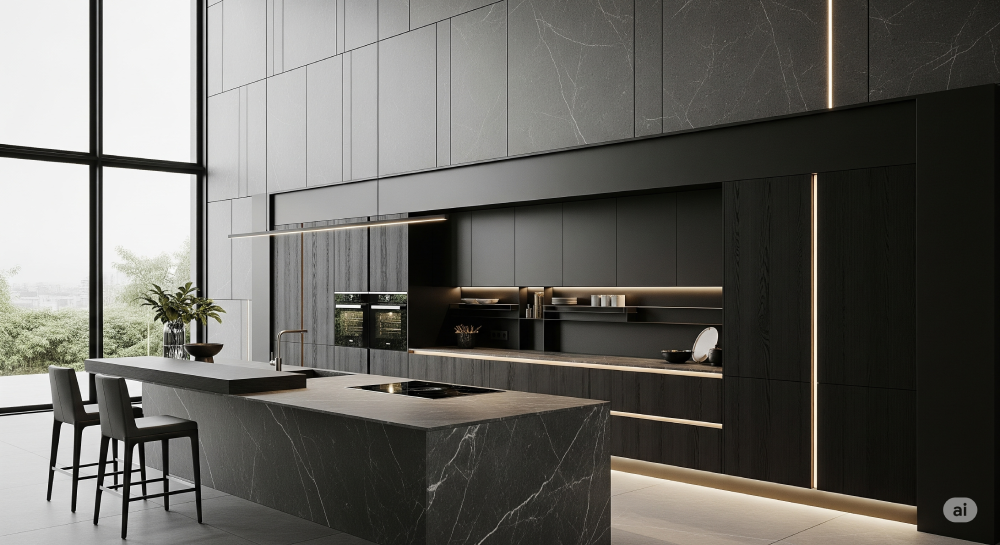
Where Ready-Made Kitchens Make Sense
For homeowners working within a defined budget or timeline, ready-made kitchens can be an attractive option. Standardised components make planning simpler, while established combinations of cabinets and finishes can reduce decision-making.
They can work particularly well in compact apartments, rental properties or homes where the kitchen layout does not require significant customisation. If the available space aligns neatly with standard cabinet dimensions, there may be little practical reason to invest in extensive bespoke detailing.
However, standardisation can also mean compromise. An awkward corner may remain underutilised. Storage may not accommodate larger appliances or specific cookware. A tall homeowner may find standard counter heights less comfortable, while another family may require considerably more pantry or crockery storage than a conventional configuration provides.
The initial saving can therefore come with a different cost: unused space, compromised ergonomics or the need to adapt your lifestyle to the kitchen.
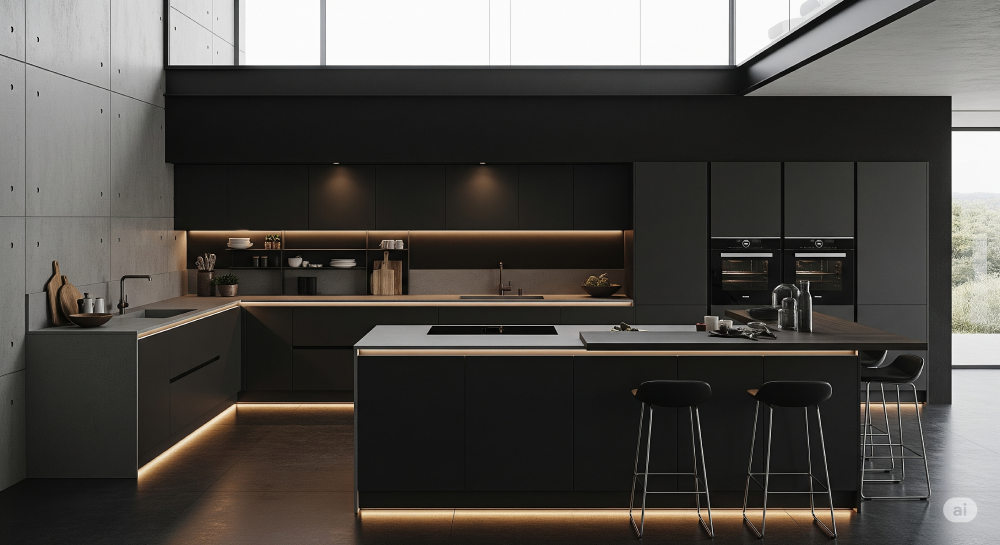
Why Bespoke Can Be Worth the Investment
A bespoke kitchen begins with the individual rather than the catalogue.
Every home has its own architectural language, and every family has its own way of using a kitchen. A thoughtfully developed Modular kitchen design considers these nuances from the beginning. It can account for unusual walls, columns, windows, ceiling heights, appliance specifications and even the way different members of the household move through the space.
Storage is another important consideration. Instead of simply adding cabinets, bespoke planning can create dedicated zones for everything from everyday crockery and cookware to appliances, groceries and less frequently used items. The result is a kitchen where functionality feels almost effortless.
There is also greater freedom in aesthetics. Materials, colours, textures, handles, lighting and finishes can be brought together to create a cohesive visual identity rather than a combination of available options.
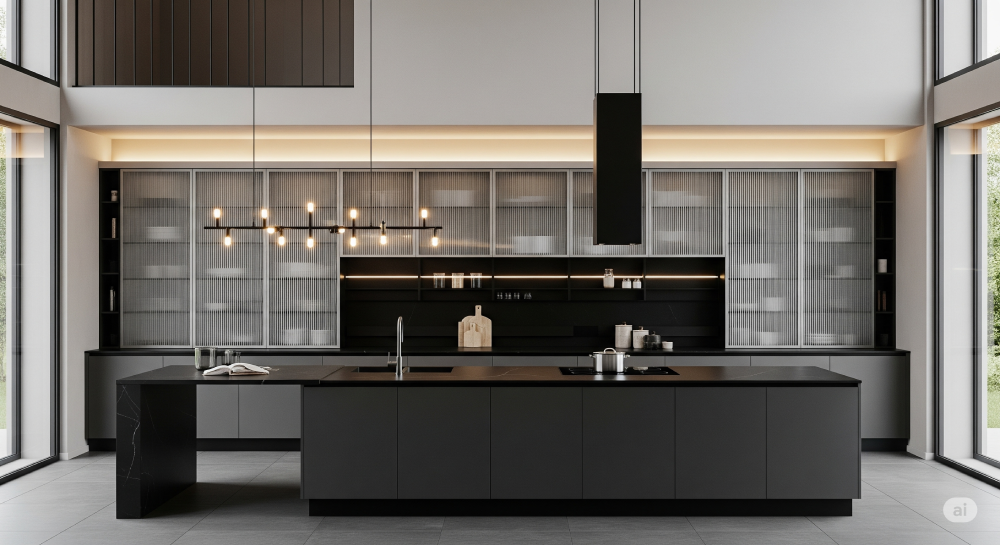
Beyond Appearance: The Value of Craftsmanship
The real value of a bespoke kitchen often becomes apparent over time.
A well-made kitchen is expected to withstand years of opening, closing, cleaning, cooking, spills and changing household needs. Quality hardware, durable materials, precision manufacturing and careful installation can influence not only how a kitchen looks, but how it performs a decade later.
This becomes especially important in a Luxury Modular kitchen, where the investment extends beyond visual appeal. Luxury is ultimately about precision, materiality, personalisation and the experience of using the space every day—not simply about choosing an expensive finish.
The Question of Investment
The right choice depends on what you value.
If affordability, speed and straightforward functionality are the priority, a ready-made modular kitchen can be a sensible investment. But if you are creating a long-term home and want every inch to work beautifully for your lifestyle, bespoke is likely to offer greater value over time.
A bespoke kitchen may command a higher initial investment, but it can deliver better space utilisation, improved ergonomics, greater design freedom and a more enduring sense of ownership.
Ultimately, the question is not whether bespoke costs more than ready-made. It does.
The more meaningful question is: what are you investing in?
If you are investing only in cabinets, standardisation may be enough. If you are investing in a space designed around the way you live, cook, entertain and evolve, bespoke becomes a very different proposition.
The finest Modular kitchen design does not merely fill a room with cabinetry. It understands the room, the people and the life that will unfold within it.
And when considered from that perspective, a Luxury Modular kitchen is not simply a purchase. It is a long-term investment in functionality, craftsmanship and the everyday experience of home.
